
Becoming Your Own Caregiver with Chronic Illness
Why managing autoimmune disease carries an invisible caregiving burden
I just started reading Stand by Me by Allison J. Applebaum, PhD, and I already want to hand it to about a hundred people.
The book is focused on caregiving, the kind most of us picture right away: caring for a parent, a partner, a child. Being the one who drives to appointments, manages medications, watches symptoms shift, holds the fear, keeps the wheels on.
But a chapter in, I felt something in my chest go very still.
Because as Applebaum describes what caregivers face, I recognized the terrain instantly.
Not because I have been a full-time caregiver for someone else.
Because since my Rheumatoid Arthritis diagnosis in 2017, I have been a caregiver.
For me.

The caregiving no one sees
There is a certain kind of chronic illness experience that is hard to explain to people who have not lived it.
I am not talking about the kind of illness that makes it impossible to work or function at all. Some people do live there, and I will never minimize that reality.
I am talking about the large group of people who are still working, still showing up, still doing life.
From the outside, we look mostly fine.
But behind the scenes, we are running a second full-time job.
A job called: keeping ourselves afloat.
When I was diagnosed with RA, it did not just mean pain. It meant management. Constant management.
It meant becoming the person who had to:
Learn what RA even is, and how it can progress
Keep up with specialists, referrals, labs, imaging, follow-ups
Track symptoms that never behave consistently
Figure out what helps, what hurts, what is a flare, what is just a bad day
Stay on top of medications that come with side effects and monitoring
Navigate insurance, prior authorizations, and the financial weight that quietly builds over time
Make the hard calls about rest, pacing, cancellation, scaling back
Push through sometimes, and then pay for it later
Advocate for myself when I was exhausted, overwhelmed, and not believed
That is caregiving. It is just directed inward.
And because it is directed inward, it is often invisible. Even to us.
When caregiving is invisible, the burden often goes unnamed.
When the burden goes unnamed, people assume it should be manageable.
And when it feels unmanageable anyway, the conclusion many people reach is not, “This is a lot.” It is, “Something must be wrong with me.”
This is where so many people with autoimmune disease and chronic illness get stuck.
We are praised for functioning.
We are told how strong we are.
We are reassured that it could be worse.
And all of that, unintentionally, erases the reality that functioning often comes at a cost.
Because managing a chronic illness is not passive.
It is active, ongoing, and demanding.
It requires planning, vigilance, flexibility, emotional regulation, and decision-making that never fully turns off.
That is not weakness.
That is responsibility.
Why naming this as caregiving matters
When we name this experience as caregiving, something important shifts.
Suddenly, exhaustion makes sense.
Needing rest stops feeling like failure.
Wanting support no longer feels like asking for too much.
Caregivers are not expected to carry everything alone.
They are expected to need backup.
They are expected to need systems.
They are expected to need space to put the weight down.
But when the caregiver and the patient are the same person, those expectations disappear.
And that is where people get hurt.
Not always dramatically.
Often quietly.
In burnout.
In resentment toward their own bodies.
In guilt for needing breaks.
In the constant feeling of being behind, even while doing everything they can.
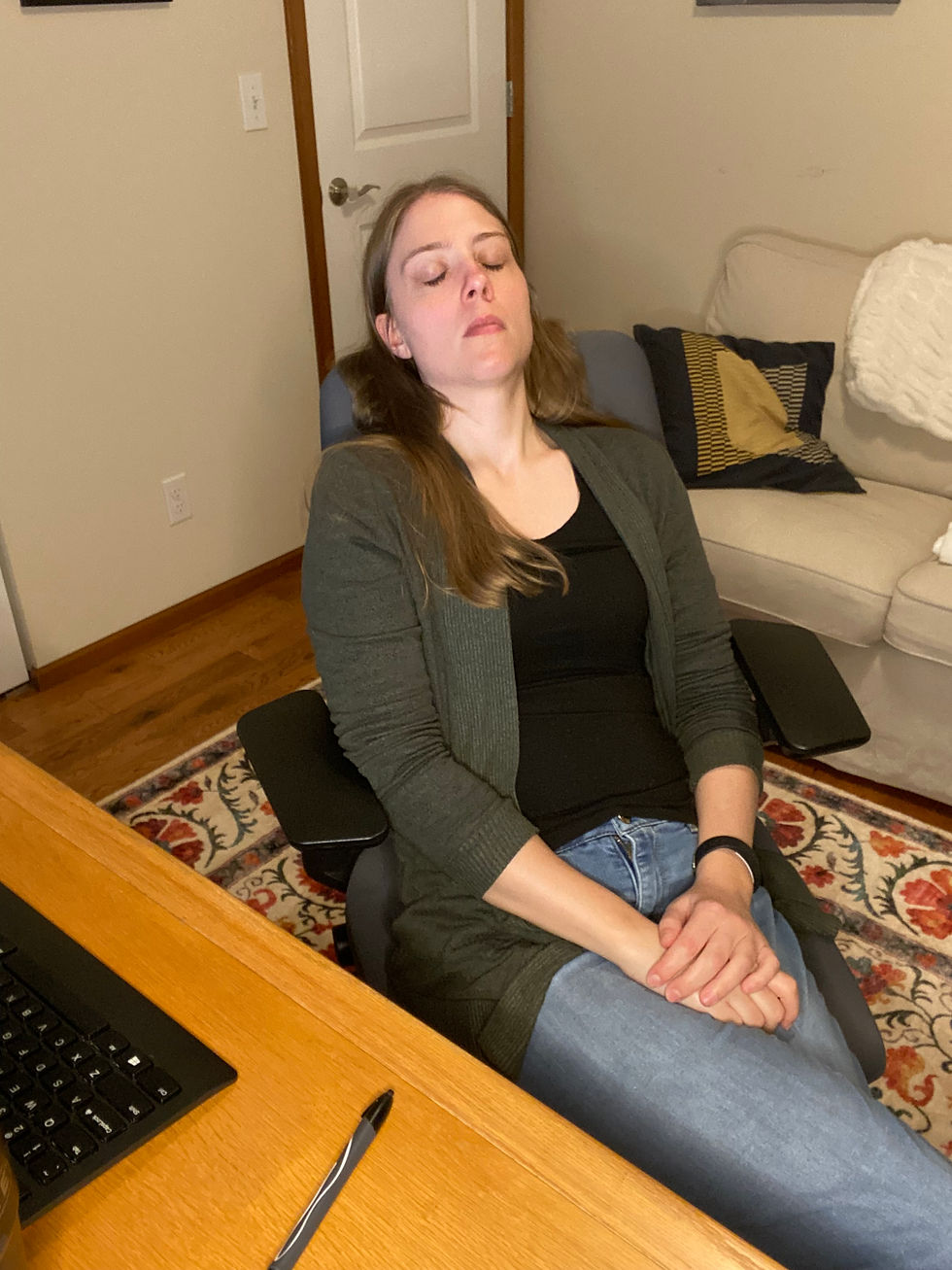
“But I’m managing”
This is the phrase I hear most often.
And it is usually true.
People are managing.
They are managing appointments, medications, flare-ups, work demands, family roles, and social expectations.
They are managing unpredictability with very little margin for error.
They are managing without calling it what it is.
Caregiving.
And when you do not recognize yourself as a caregiver, you are far less likely to give yourself the same compassion you would offer someone else in that role.
You push longer.
You rest less.
You minimize your own needs.
You tell yourself you should be able to handle it.
Until your body, eventually, forces a different conversation.
This is where support actually belongs
Reframing chronic illness management as caregiving does not mean adopting a new identity.
It means telling the truth about the workload.
It means acknowledging that pacing, routines, emotional processing, and self-care are not luxuries.
They are care tasks.
And care tasks are easier, safer, and more sustainable when they are supported.
This realization is at the heart of why I do the work I do.
Not because people need to be fixed.
But because caregivers need support.
Even when the caregiver is caring for themselves.
An important note
Naming this does not diminish the profound work of caring for another person.
It expands the definition of caregiving to include the invisible labor of living inside a chronically ill body and keeping life moving anyway.
If you have ever felt worn down by “just managing,” there is a reason.
You are doing real work.
Questions to ponder
If you thought of yourself as a caregiver, even quietly, what might change?
What support might make more sense?
What expectations might soften?
You do not have to answer all of that today.
Sometimes the most powerful shift is simply recognizing the role you have already been carrying.


Comments